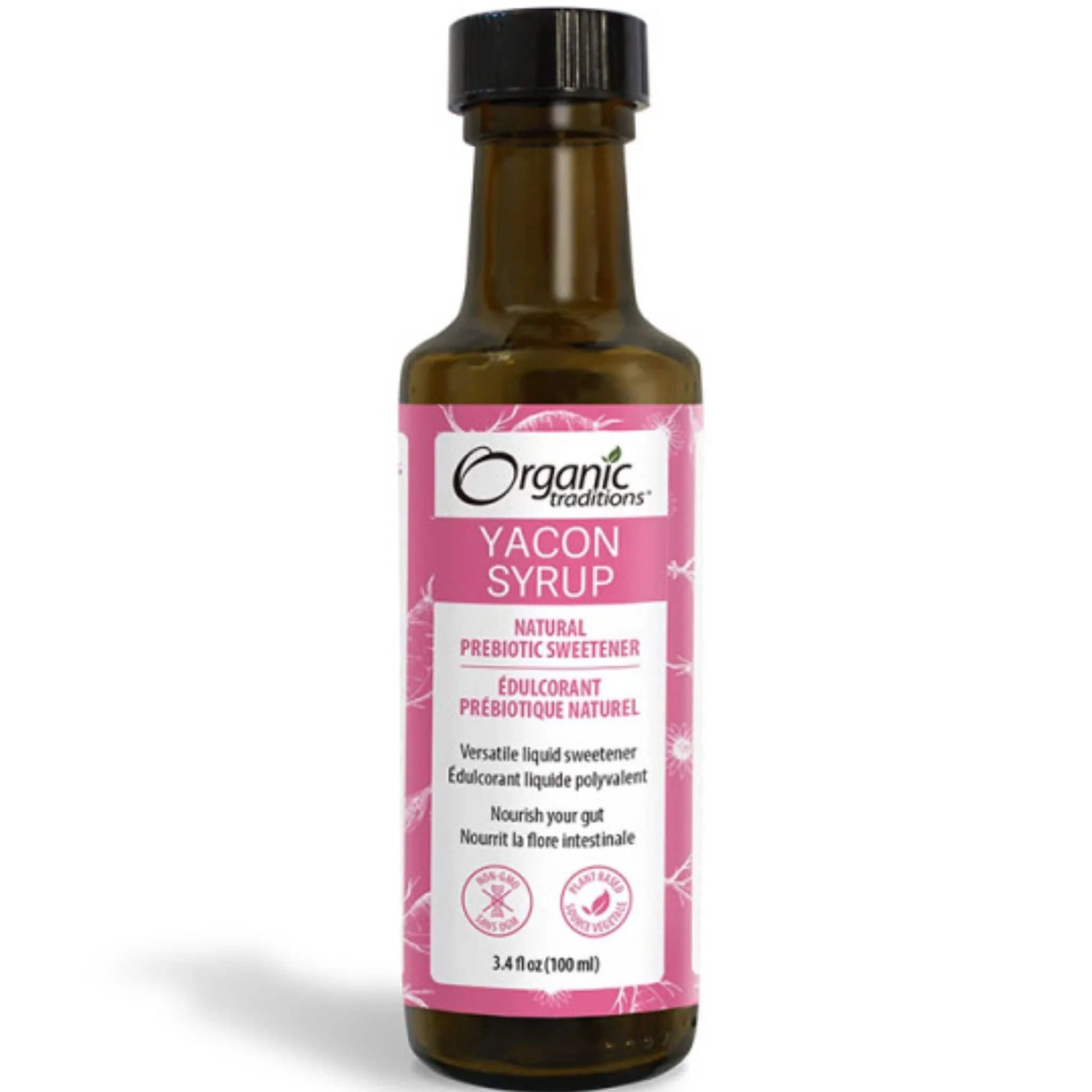
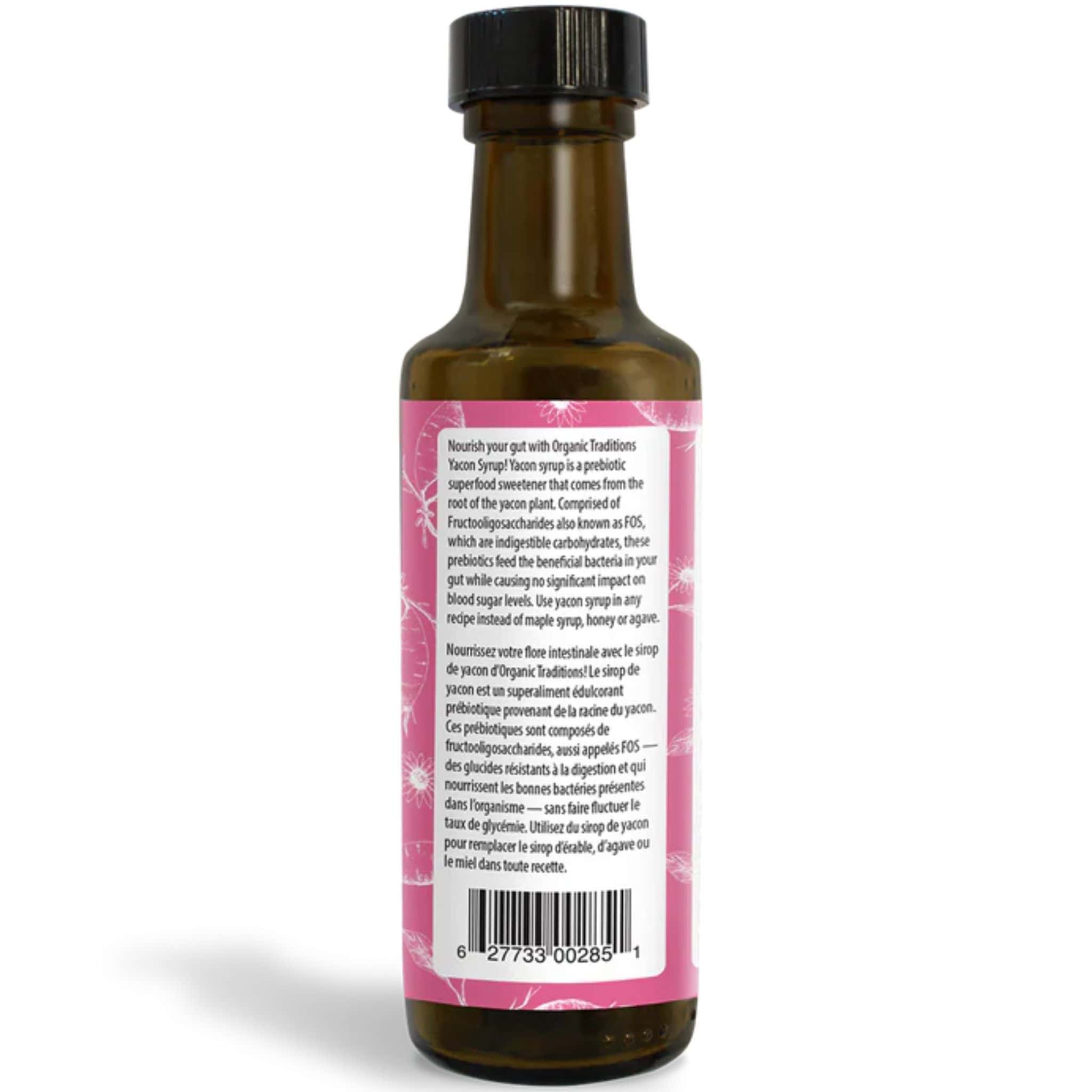
Organic Traditions Organic Yacon Syrup, Natural Plant Based Prebiotic Low Glycemic Sweetener
Organic Traditions Organic Yacon Syrup, Natural Plant Based Prebiotic Low Glycemic Sweetener
Organic Traditions Yacon Syrup Details
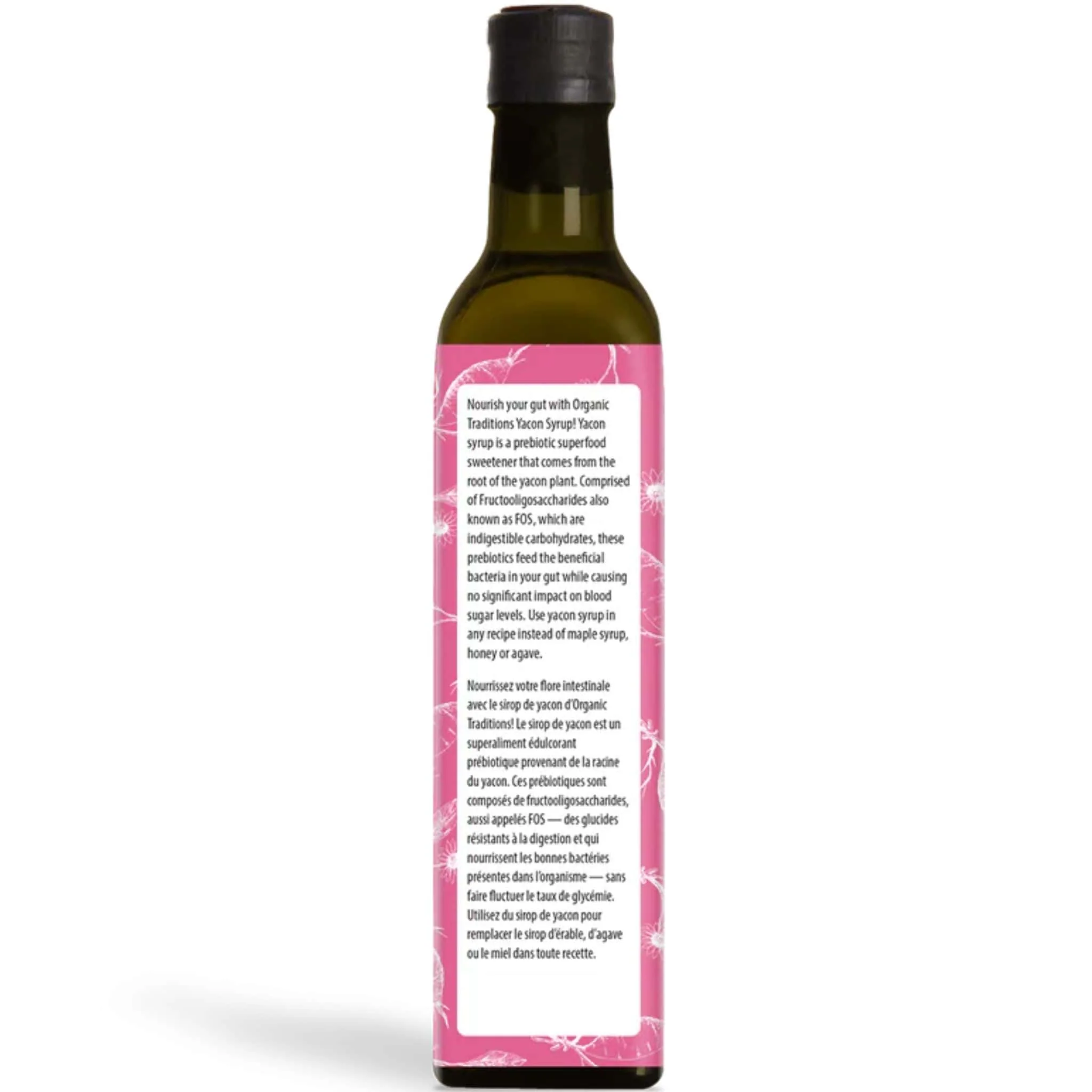
Organic Traditions Yacon Syrup is a low-glycemic natural sweetener made from the root of the yacon plant — a tuber indigenous to the Peruvian and Bolivian Andes, prized since the Incan civilization. The sweetness comes primarily from fructo-oligosaccharides (FOS), a type of prebiotic dietary fiber the body doesn't metabolize for energy. That means a sweetener that supports beneficial gut bacteria growth without spiking blood sugar. Cold mechanically extracted with no heat, solvents, or chemicals — preserving the natural enzymes and prebiotic content. Light amber colour with a delicate, sweet, slightly molasses-like flavour. Certified organic, gluten-free, kosher, vegan, raw, non-GMO. Available in 100ml or 250ml.
Vitamins Lowest Prices | Lowest Price in Canada — Guaranteed | Ships from Ontario across Canada
Quick Facts
| Brand | Organic Traditions |
| What it is | Pure cold-pressed yacon root syrup |
| Key compounds | Fructo-oligosaccharides (FOS) prebiotic fiber |
| Glycemic impact | Low glycemic — minimal blood sugar impact |
| Sweetness vs sugar | Less sweet than refined sugar; mild molasses-like flavour |
| Sizes | 100ml or 250ml bottle |
| Diet | Certified organic, kosher, vegan, raw, gluten-free, non-GMO |
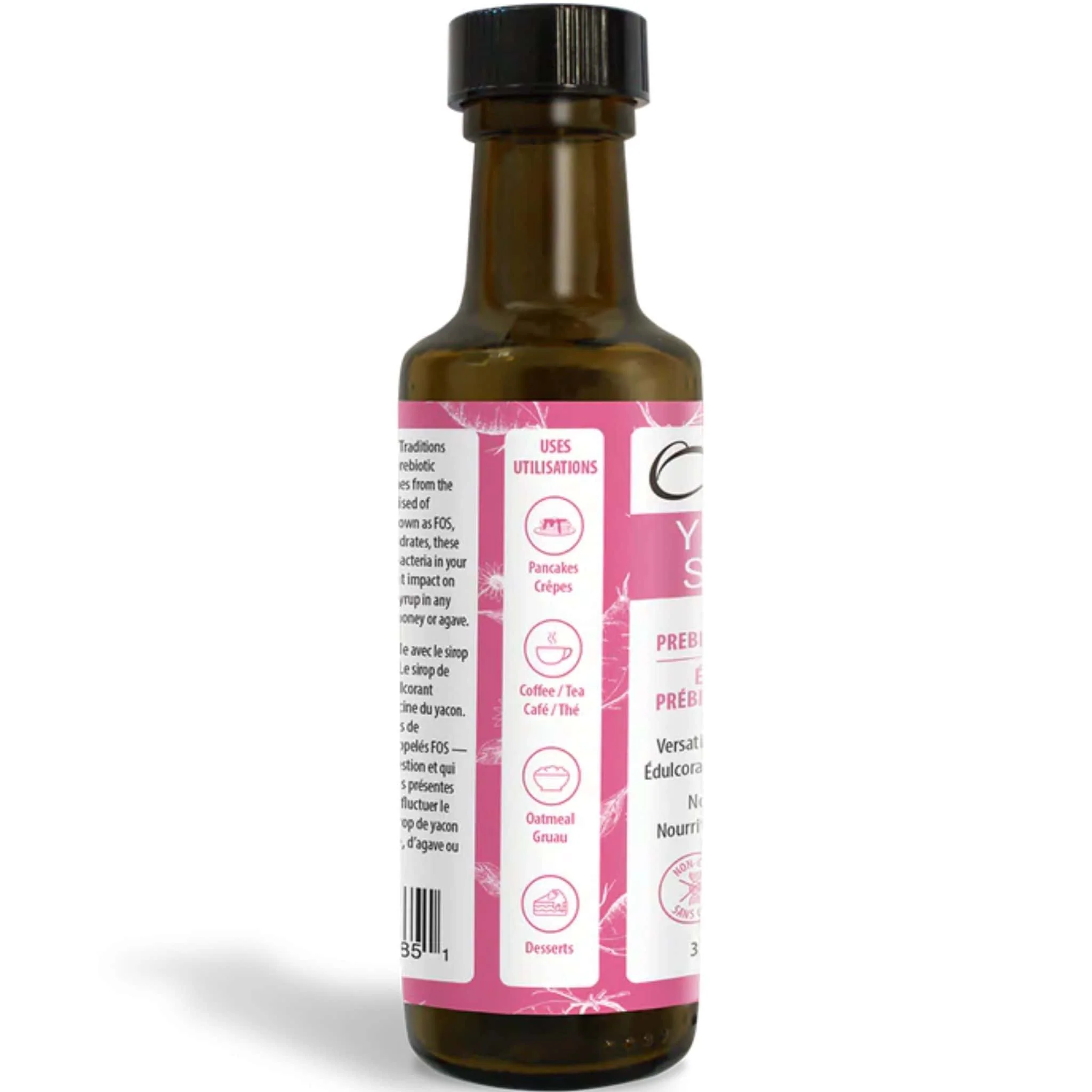
| Best uses | Tea, coffee, oatmeal, yogurt, baking, drizzling |
Who Organic Traditions Yacon Syrup Is For
- People managing blood sugar (diabetes, prediabetes, insulin resistance) wanting a sweetener that won't spike glucose
- Adults on low-glycemic diets, ketogenic-adjacent eating, or sugar-conscious approaches
- People wanting prebiotic gut support built into a sweetener
- Anyone reducing refined sugar intake who still wants real sweetness (not artificial sweeteners or stevia)
- Health-focused families wanting an alternative to honey, maple syrup, or agave
- People with gut health goals — FOS feeds beneficial bacteria like Bifidobacteria
- Adults curious about traditional Andean foods or rare superfood ingredients
Who this product is NOT for: People with IBS or FODMAP sensitivity — FOS is high in FODMAPs and commonly triggers digestive symptoms (gas, bloating, loose stools). Start small and assess tolerance. People with SIBO (small intestinal bacterial overgrowth) should avoid FOS-based products. If you want a sweetener that tastes like refined sugar or honey, yacon's milder, molasses-like flavour may disappoint — it has its own character. Diabetics should still monitor blood glucose carefully and work with their healthcare practitioner; low-glycemic doesn't mean zero-impact.
Vitamart's Take
Yacon syrup is one of the more interesting natural sweeteners on the market because it's genuinely different from the alternatives. Unlike honey or maple syrup (high glycemic), agave (controversial fructose load), stevia (intense sweetness with sometimes-aftertaste), or sugar alcohols (digestive concerns at higher doses), yacon's sweetness comes from FOS — a prebiotic fiber that the body doesn't absorb for energy but that beneficial gut bacteria love. So you get real sweetness without the blood sugar impact, plus a prebiotic gut benefit. The flavour is its own thing — milder than sugar with a slight molasses or caramel character, less sweet than you'd expect. It works beautifully in tea, coffee, oatmeal, yogurt, and as a drizzle, but it doesn't replace sugar 1:1 in baking the way some alternatives do (the lower sweetness and different liquid behavior need adjustment). The major caveat is FOS itself — it's a FODMAP that can cause digestive symptoms in sensitive people. Start with a small amount (a teaspoon) to assess tolerance before pouring it on everything. Organic Traditions sources clean, certified organic yacon with cold-pressed processing, which is the right approach for preserving the FOS content. The 250ml bottle is the better value for regular users.
How Yacon Syrup Compares
Yacon Syrup vs Honey or Maple Syrup
Honey and maple syrup are mid-to-high glycemic — they spike blood sugar similarly to refined sugar. Yacon syrup is low-glycemic because the sweetness comes from FOS (prebiotic fiber) rather than sucrose or fructose. Honey has its own benefits (antimicrobial, polyphenols); maple syrup has minerals; yacon has the FOS prebiotic effect. Different niches — yacon is the choice for blood-sugar-conscious sweetening.
Yacon Syrup vs Agave Nectar
Agave nectar was marketed as low-glycemic, but it's high in fructose, which has its own metabolic concerns (liver processing, lipid effects). Yacon is genuinely low-glycemic with prebiotic benefit instead of high fructose load. For people who chose agave thinking it was a healthier sugar alternative, yacon is the better-targeted upgrade.
Yacon Syrup vs Stevia or Monk Fruit
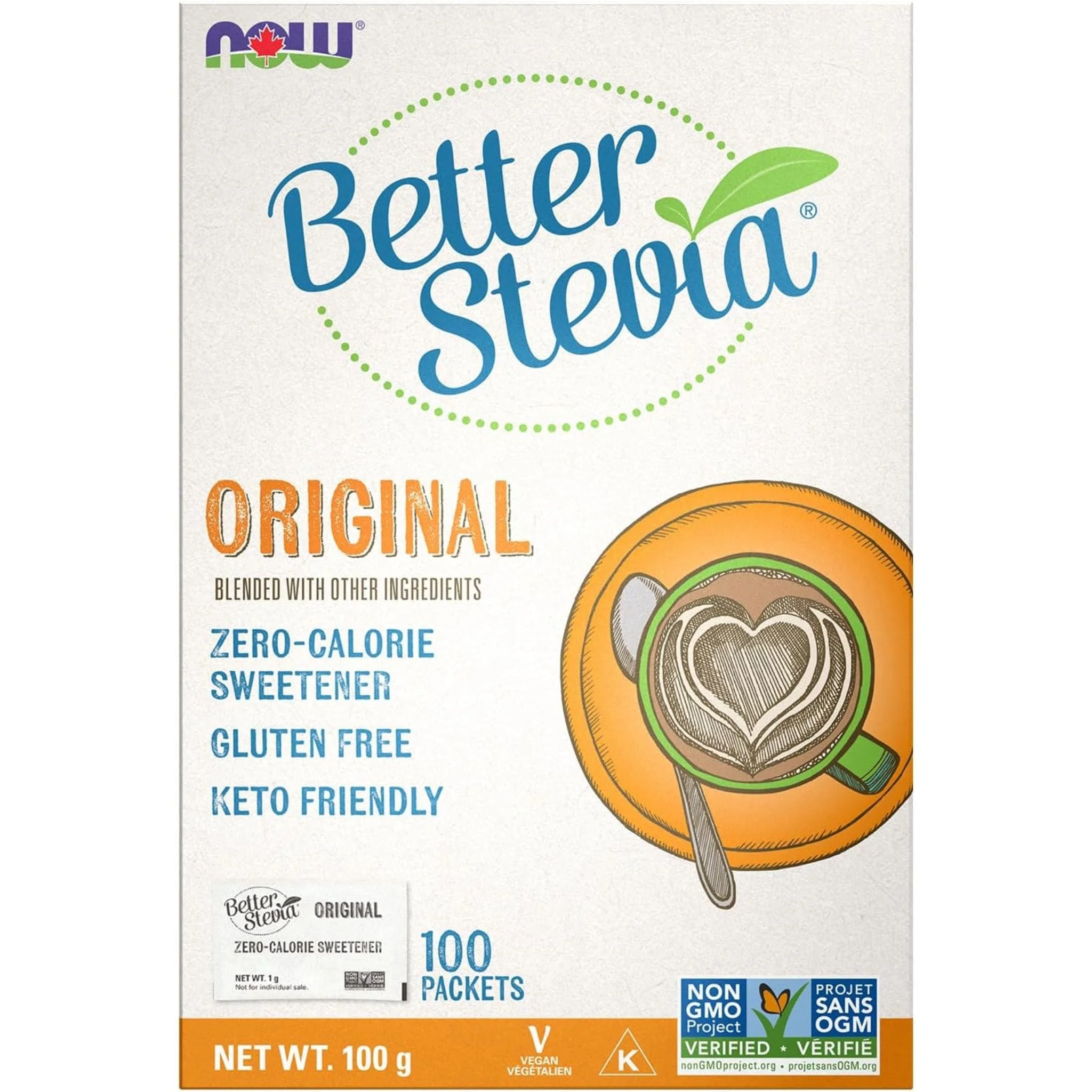
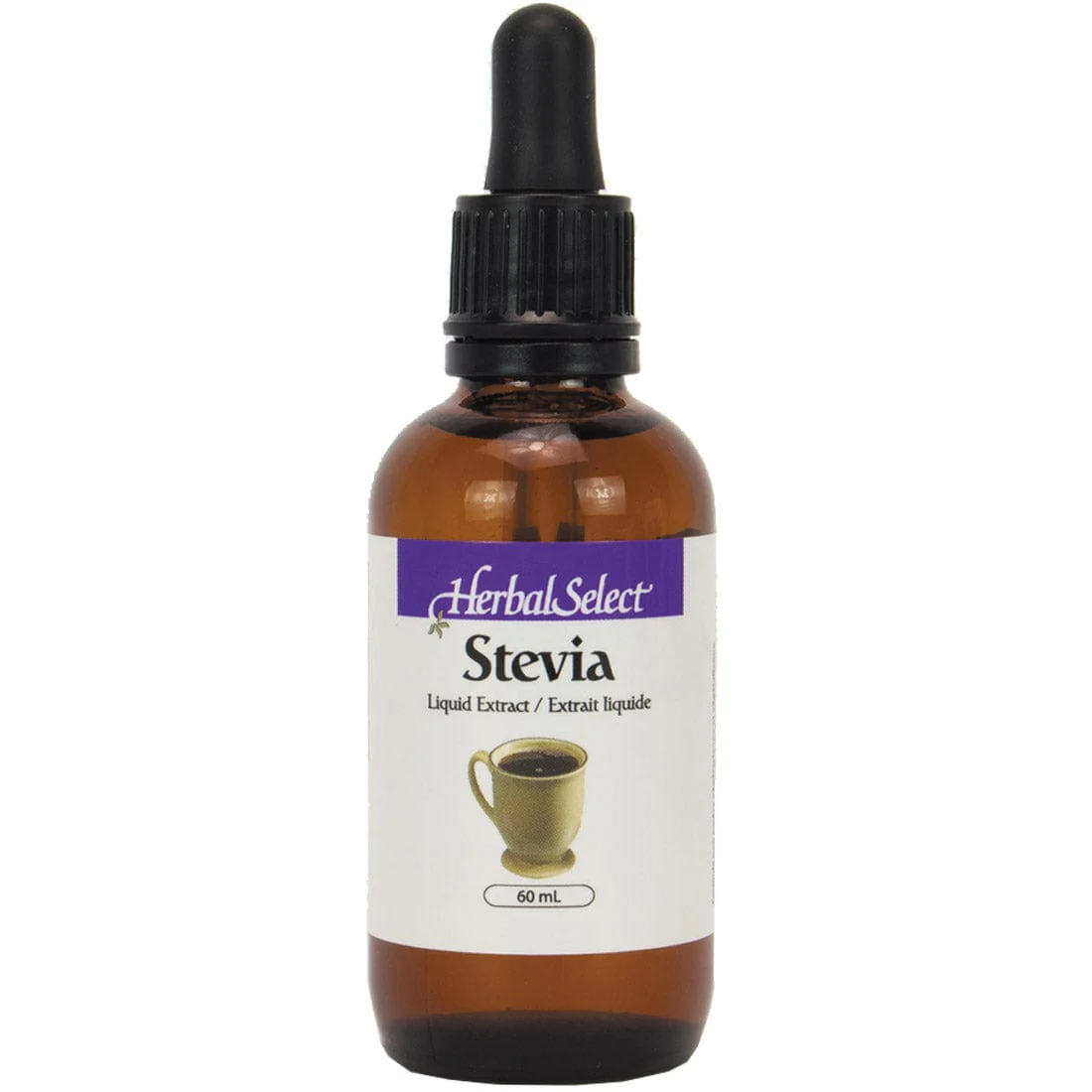
Stevia and monk fruit are zero-calorie, zero-glycemic sweeteners with no effect on gut bacteria — simple alternatives that provide intense sweetness without nutritional impact. Yacon provides real liquid sweetener function with prebiotic benefit, but it has actual calories (just lower than sugar) and FOS can cause digestive issues. Different tools: stevia/monk fruit for zero-calorie needs, yacon for liquid-sweetener function with prebiotic upside.
Yacon Syrup vs Inulin or Standalone FOS Supplements
Standalone FOS or inulin supplements provide concentrated prebiotic fiber in capsule or powder form — the targeted approach if your goal is just the gut benefit. Yacon syrup gives you FOS in a sweetener you'll actually use, integrating gut support into daily food use. If you want the prebiotic without the sweetener function, supplements are more concentrated. If you want both in one product, yacon delivers it.
What FOS Actually Does (And Why It Matters)
- Fructo-oligosaccharides (FOS) are prebiotic fibers. Short-chain carbohydrate molecules made of fructose units. The human digestive system doesn't have the enzymes to break them down, so they pass through to the colon intact — where beneficial gut bacteria love them.
- Bifidobacteria specifically thrive on FOS. One of the most-studied prebiotic effects is Bifidobacteria growth promotion. These are among the most beneficial gut bacteria for immune function, vitamin synthesis, and barrier integrity.
- Short-chain fatty acid production. When gut bacteria ferment FOS, they produce short-chain fatty acids (especially butyrate) — the main fuel source for colon cells, with broader anti-inflammatory effects.
- Low glycemic impact. Because FOS isn't absorbed for energy, it doesn't significantly raise blood glucose or insulin. This is the practical mechanism behind yacon's blood-sugar-friendly profile.
- Mineral absorption support. FOS has research for supporting calcium, magnesium, and other mineral absorption from food — a secondary nutritional benefit beyond the gut microbiome effect.
- The FODMAP caveat. FOS is a high-FODMAP compound. For people with IBS, SIBO, or FODMAP sensitivity, FOS commonly triggers gas, bloating, abdominal discomfort, and loose stools. This is the most important practical caution — start small to assess your tolerance.
- Why cold extraction matters. Heat damages FOS, reducing the prebiotic content. Cold mechanical extraction preserves the FOS — part of what makes Organic Traditions' approach worth the premium positioning.
How To Use
Start with a small amount (1 teaspoon) to assess your tolerance for FOS. Most people use 1–2 teaspoons daily as a sweetener replacement. Drizzle over yogurt, oatmeal, or pancakes. Sweeten tea, coffee, or smoothies. Use in salad dressings or marinades for natural sweetness. In baking, yacon syrup doesn't replace sugar 1:1 — it's less sweet and has different liquid behavior, so adapted recipes work best. Store in a cool, dry place; refrigerate after opening for best freshness.
Cautions: Start with a small amount to assess FOS tolerance. Consult your healthcare practitioner if you have IBS, SIBO, FODMAP sensitivity, diabetes (still monitor blood glucose), or chronic digestive conditions. Not recommended for children under practitioner guidance. Discontinue if digestive symptoms occur. Like all sweeteners, use in moderation as part of a balanced diet.
Frequently Asked Questions
➕ Is it actually safe for diabetics?
➕ What does it actually taste like?
➕ Will it upset my stomach?
➕ Can I use it in baking?
➕ How much can I have daily?
➕ Why is it so much more expensive than honey?
Pairs Well With
- Probiotics — yacon's FOS feeds the bacteria; probiotics provide the strains
- Chia or Flax Seeds — add fiber to morning oatmeal or yogurt sweetened with yacon
- Blood Sugar Support Supplements — supportive products alongside lower-glycemic sweetening
- Cacao Powder or Nibs — sweeten cacao recipes with low-glycemic yacon
💡 Subscribe & save up to 10% on every order — never run out of your daily supplements.
Compare Similar Products
- Natural Sweeteners
- Prebiotic Supplements
- All Superfoods
- Blood Sugar Support
About Vitamart
Vitamart.ca is Canada's vitamin specialist. We've been selling vitamins and supplements to Canadian families since 2005, shipping from our Ontario warehouse to every province. We believe in quality products you trust at prices you love — no fancy packaging markups, no pushy upsells, just the vitamins you need at the lowest prices in Canada. Backed by our Low Price Guarantee: find a lower advertised price at a Canadian competitor and we'll beat it by 1¢.
Vitamins Lowest Prices.
More Images
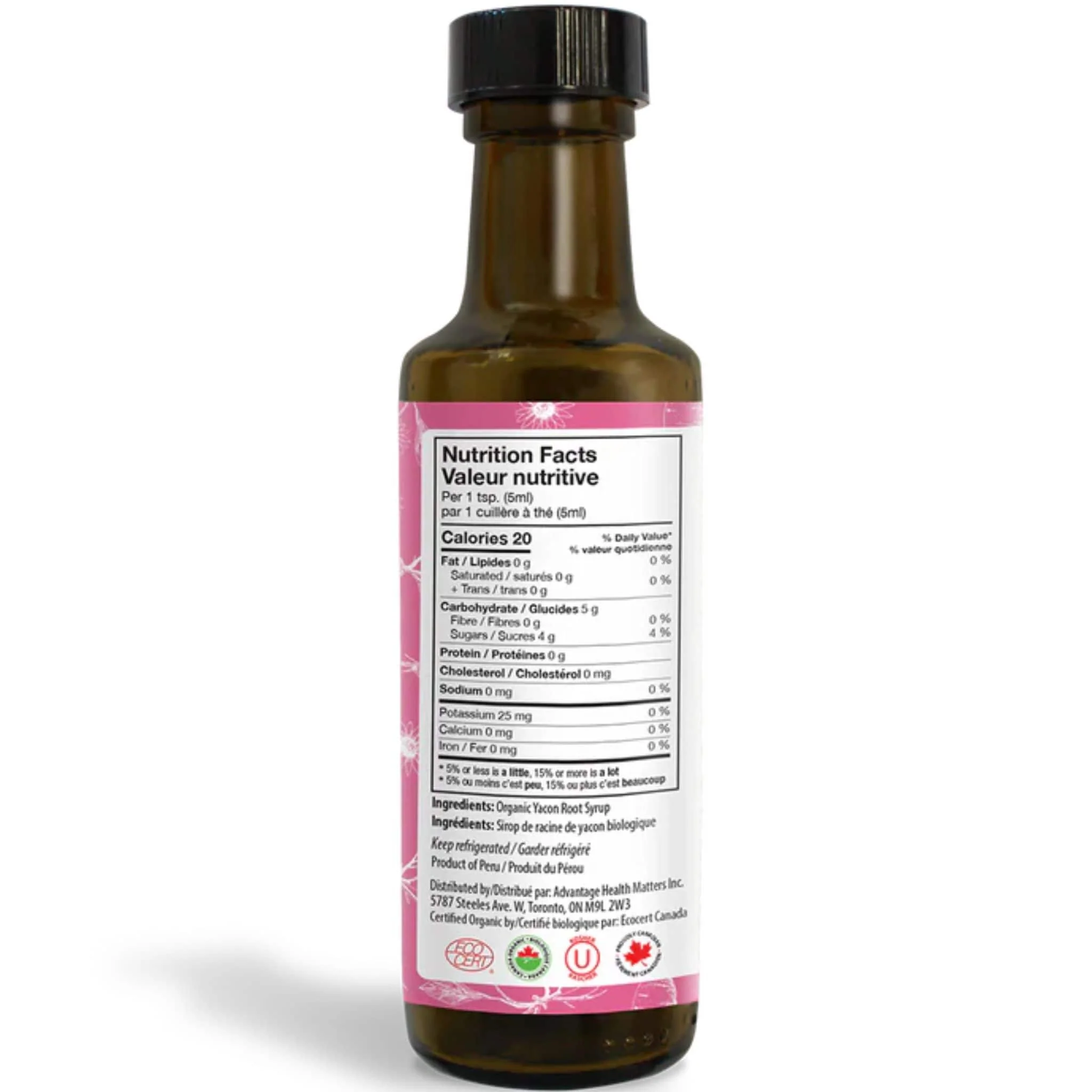



Organic Traditions Organic Yacon Syrup, Natural Plant Based Prebiotic Low Glycemic Sweetener
Organic Traditions Yacon Syrup Details
Organic Traditions Yacon Syrup is a low-glycemic natural sweetener made from the root of the yacon plant — a tuber indigenous to the Peruvian and Bolivian Andes, prized since the Incan civilization. The sweetness comes primarily from fructo-oligosaccharides (FOS), a type of prebiotic dietary fiber the body doesn't metabolize for energy. That means a sweetener that supports beneficial gut bacteria growth without spiking blood sugar. Cold mechanically extracted with no heat, solvents, or chemicals — preserving the natural enzymes and prebiotic content. Light amber colour with a delicate, sweet, slightly molasses-like flavour. Certified organic, gluten-free, kosher, vegan, raw, non-GMO. Available in 100ml or 250ml.
Vitamins Lowest Prices | Lowest Price in Canada — Guaranteed | Ships from Ontario across Canada
Quick Facts
| Brand | Organic Traditions |
| What it is | Pure cold-pressed yacon root syrup |
| Key compounds | Fructo-oligosaccharides (FOS) prebiotic fiber |
| Glycemic impact | Low glycemic — minimal blood sugar impact |
| Sweetness vs sugar | Less sweet than refined sugar; mild molasses-like flavour |
| Sizes | 100ml or 250ml bottle |
| Diet | Certified organic, kosher, vegan, raw, gluten-free, non-GMO |
| Best uses | Tea, coffee, oatmeal, yogurt, baking, drizzling |
Who Organic Traditions Yacon Syrup Is For
- People managing blood sugar (diabetes, prediabetes, insulin resistance) wanting a sweetener that won't spike glucose
- Adults on low-glycemic diets, ketogenic-adjacent eating, or sugar-conscious approaches
- People wanting prebiotic gut support built into a sweetener
- Anyone reducing refined sugar intake who still wants real sweetness (not artificial sweeteners or stevia)
- Health-focused families wanting an alternative to honey, maple syrup, or agave
- People with gut health goals — FOS feeds beneficial bacteria like Bifidobacteria
- Adults curious about traditional Andean foods or rare superfood ingredients
Who this product is NOT for: People with IBS or FODMAP sensitivity — FOS is high in FODMAPs and commonly triggers digestive symptoms (gas, bloating, loose stools). Start small and assess tolerance. People with SIBO (small intestinal bacterial overgrowth) should avoid FOS-based products. If you want a sweetener that tastes like refined sugar or honey, yacon's milder, molasses-like flavour may disappoint — it has its own character. Diabetics should still monitor blood glucose carefully and work with their healthcare practitioner; low-glycemic doesn't mean zero-impact.
Vitamart's Take
Yacon syrup is one of the more interesting natural sweeteners on the market because it's genuinely different from the alternatives. Unlike honey or maple syrup (high glycemic), agave (controversial fructose load), stevia (intense sweetness with sometimes-aftertaste), or sugar alcohols (digestive concerns at higher doses), yacon's sweetness comes from FOS — a prebiotic fiber that the body doesn't absorb for energy but that beneficial gut bacteria love. So you get real sweetness without the blood sugar impact, plus a prebiotic gut benefit. The flavour is its own thing — milder than sugar with a slight molasses or caramel character, less sweet than you'd expect. It works beautifully in tea, coffee, oatmeal, yogurt, and as a drizzle, but it doesn't replace sugar 1:1 in baking the way some alternatives do (the lower sweetness and different liquid behavior need adjustment). The major caveat is FOS itself — it's a FODMAP that can cause digestive symptoms in sensitive people. Start with a small amount (a teaspoon) to assess tolerance before pouring it on everything. Organic Traditions sources clean, certified organic yacon with cold-pressed processing, which is the right approach for preserving the FOS content. The 250ml bottle is the better value for regular users.
How Yacon Syrup Compares
Yacon Syrup vs Honey or Maple Syrup
Honey and maple syrup are mid-to-high glycemic — they spike blood sugar similarly to refined sugar. Yacon syrup is low-glycemic because the sweetness comes from FOS (prebiotic fiber) rather than sucrose or fructose. Honey has its own benefits (antimicrobial, polyphenols); maple syrup has minerals; yacon has the FOS prebiotic effect. Different niches — yacon is the choice for blood-sugar-conscious sweetening.
Yacon Syrup vs Agave Nectar
Agave nectar was marketed as low-glycemic, but it's high in fructose, which has its own metabolic concerns (liver processing, lipid effects). Yacon is genuinely low-glycemic with prebiotic benefit instead of high fructose load. For people who chose agave thinking it was a healthier sugar alternative, yacon is the better-targeted upgrade.
Yacon Syrup vs Stevia or Monk Fruit
Stevia and monk fruit are zero-calorie, zero-glycemic sweeteners with no effect on gut bacteria — simple alternatives that provide intense sweetness without nutritional impact. Yacon provides real liquid sweetener function with prebiotic benefit, but it has actual calories (just lower than sugar) and FOS can cause digestive issues. Different tools: stevia/monk fruit for zero-calorie needs, yacon for liquid-sweetener function with prebiotic upside.
Yacon Syrup vs Inulin or Standalone FOS Supplements
Standalone FOS or inulin supplements provide concentrated prebiotic fiber in capsule or powder form — the targeted approach if your goal is just the gut benefit. Yacon syrup gives you FOS in a sweetener you'll actually use, integrating gut support into daily food use. If you want the prebiotic without the sweetener function, supplements are more concentrated. If you want both in one product, yacon delivers it.
What FOS Actually Does (And Why It Matters)
- Fructo-oligosaccharides (FOS) are prebiotic fibers. Short-chain carbohydrate molecules made of fructose units. The human digestive system doesn't have the enzymes to break them down, so they pass through to the colon intact — where beneficial gut bacteria love them.
- Bifidobacteria specifically thrive on FOS. One of the most-studied prebiotic effects is Bifidobacteria growth promotion. These are among the most beneficial gut bacteria for immune function, vitamin synthesis, and barrier integrity.
- Short-chain fatty acid production. When gut bacteria ferment FOS, they produce short-chain fatty acids (especially butyrate) — the main fuel source for colon cells, with broader anti-inflammatory effects.
- Low glycemic impact. Because FOS isn't absorbed for energy, it doesn't significantly raise blood glucose or insulin. This is the practical mechanism behind yacon's blood-sugar-friendly profile.
- Mineral absorption support. FOS has research for supporting calcium, magnesium, and other mineral absorption from food — a secondary nutritional benefit beyond the gut microbiome effect.
- The FODMAP caveat. FOS is a high-FODMAP compound. For people with IBS, SIBO, or FODMAP sensitivity, FOS commonly triggers gas, bloating, abdominal discomfort, and loose stools. This is the most important practical caution — start small to assess your tolerance.
- Why cold extraction matters. Heat damages FOS, reducing the prebiotic content. Cold mechanical extraction preserves the FOS — part of what makes Organic Traditions' approach worth the premium positioning.
How To Use
Start with a small amount (1 teaspoon) to assess your tolerance for FOS. Most people use 1–2 teaspoons daily as a sweetener replacement. Drizzle over yogurt, oatmeal, or pancakes. Sweeten tea, coffee, or smoothies. Use in salad dressings or marinades for natural sweetness. In baking, yacon syrup doesn't replace sugar 1:1 — it's less sweet and has different liquid behavior, so adapted recipes work best. Store in a cool, dry place; refrigerate after opening for best freshness.
Cautions: Start with a small amount to assess FOS tolerance. Consult your healthcare practitioner if you have IBS, SIBO, FODMAP sensitivity, diabetes (still monitor blood glucose), or chronic digestive conditions. Not recommended for children under practitioner guidance. Discontinue if digestive symptoms occur. Like all sweeteners, use in moderation as part of a balanced diet.
Frequently Asked Questions
➕ Is it actually safe for diabetics?
➕ What does it actually taste like?
➕ Will it upset my stomach?
➕ Can I use it in baking?
➕ How much can I have daily?
➕ Why is it so much more expensive than honey?
Pairs Well With
- Probiotics — yacon's FOS feeds the bacteria; probiotics provide the strains
- Chia or Flax Seeds — add fiber to morning oatmeal or yogurt sweetened with yacon
- Blood Sugar Support Supplements — supportive products alongside lower-glycemic sweetening
- Cacao Powder or Nibs — sweeten cacao recipes with low-glycemic yacon
💡 Subscribe & save up to 10% on every order — never run out of your daily supplements.
Compare Similar Products
- Natural Sweeteners
- Prebiotic Supplements
- All Superfoods
- Blood Sugar Support
About Vitamart
Vitamart.ca is Canada's vitamin specialist. We've been selling vitamins and supplements to Canadian families since 2005, shipping from our Ontario warehouse to every province. We believe in quality products you trust at prices you love — no fancy packaging markups, no pushy upsells, just the vitamins you need at the lowest prices in Canada. Backed by our Low Price Guarantee: find a lower advertised price at a Canadian competitor and we'll beat it by 1¢.
Vitamins Lowest Prices.
Product Information
Product Information
Shipping & Returns
Shipping & Returns
Description
Organic Traditions Yacon Syrup Details
Organic Traditions Yacon Syrup is a low-glycemic natural sweetener made from the root of the yacon plant — a tuber indigenous to the Peruvian and Bolivian Andes, prized since the Incan civilization. The sweetness comes primarily from fructo-oligosaccharides (FOS), a type of prebiotic dietary fiber the body doesn't metabolize for energy. That means a sweetener that supports beneficial gut bacteria growth without spiking blood sugar. Cold mechanically extracted with no heat, solvents, or chemicals — preserving the natural enzymes and prebiotic content. Light amber colour with a delicate, sweet, slightly molasses-like flavour. Certified organic, gluten-free, kosher, vegan, raw, non-GMO. Available in 100ml or 250ml.
Vitamins Lowest Prices | Lowest Price in Canada — Guaranteed | Ships from Ontario across Canada
Quick Facts
| Brand | Organic Traditions |
| What it is | Pure cold-pressed yacon root syrup |
| Key compounds | Fructo-oligosaccharides (FOS) prebiotic fiber |
| Glycemic impact | Low glycemic — minimal blood sugar impact |
| Sweetness vs sugar | Less sweet than refined sugar; mild molasses-like flavour |
| Sizes | 100ml or 250ml bottle |
| Diet | Certified organic, kosher, vegan, raw, gluten-free, non-GMO |
| Best uses | Tea, coffee, oatmeal, yogurt, baking, drizzling |
Who Organic Traditions Yacon Syrup Is For
- People managing blood sugar (diabetes, prediabetes, insulin resistance) wanting a sweetener that won't spike glucose
- Adults on low-glycemic diets, ketogenic-adjacent eating, or sugar-conscious approaches
- People wanting prebiotic gut support built into a sweetener
- Anyone reducing refined sugar intake who still wants real sweetness (not artificial sweeteners or stevia)
- Health-focused families wanting an alternative to honey, maple syrup, or agave
- People with gut health goals — FOS feeds beneficial bacteria like Bifidobacteria
- Adults curious about traditional Andean foods or rare superfood ingredients
Who this product is NOT for: People with IBS or FODMAP sensitivity — FOS is high in FODMAPs and commonly triggers digestive symptoms (gas, bloating, loose stools). Start small and assess tolerance. People with SIBO (small intestinal bacterial overgrowth) should avoid FOS-based products. If you want a sweetener that tastes like refined sugar or honey, yacon's milder, molasses-like flavour may disappoint — it has its own character. Diabetics should still monitor blood glucose carefully and work with their healthcare practitioner; low-glycemic doesn't mean zero-impact.
Vitamart's Take
Yacon syrup is one of the more interesting natural sweeteners on the market because it's genuinely different from the alternatives. Unlike honey or maple syrup (high glycemic), agave (controversial fructose load), stevia (intense sweetness with sometimes-aftertaste), or sugar alcohols (digestive concerns at higher doses), yacon's sweetness comes from FOS — a prebiotic fiber that the body doesn't absorb for energy but that beneficial gut bacteria love. So you get real sweetness without the blood sugar impact, plus a prebiotic gut benefit. The flavour is its own thing — milder than sugar with a slight molasses or caramel character, less sweet than you'd expect. It works beautifully in tea, coffee, oatmeal, yogurt, and as a drizzle, but it doesn't replace sugar 1:1 in baking the way some alternatives do (the lower sweetness and different liquid behavior need adjustment). The major caveat is FOS itself — it's a FODMAP that can cause digestive symptoms in sensitive people. Start with a small amount (a teaspoon) to assess tolerance before pouring it on everything. Organic Traditions sources clean, certified organic yacon with cold-pressed processing, which is the right approach for preserving the FOS content. The 250ml bottle is the better value for regular users.
How Yacon Syrup Compares
Yacon Syrup vs Honey or Maple Syrup
Honey and maple syrup are mid-to-high glycemic — they spike blood sugar similarly to refined sugar. Yacon syrup is low-glycemic because the sweetness comes from FOS (prebiotic fiber) rather than sucrose or fructose. Honey has its own benefits (antimicrobial, polyphenols); maple syrup has minerals; yacon has the FOS prebiotic effect. Different niches — yacon is the choice for blood-sugar-conscious sweetening.
Yacon Syrup vs Agave Nectar
Agave nectar was marketed as low-glycemic, but it's high in fructose, which has its own metabolic concerns (liver processing, lipid effects). Yacon is genuinely low-glycemic with prebiotic benefit instead of high fructose load. For people who chose agave thinking it was a healthier sugar alternative, yacon is the better-targeted upgrade.
Yacon Syrup vs Stevia or Monk Fruit
Stevia and monk fruit are zero-calorie, zero-glycemic sweeteners with no effect on gut bacteria — simple alternatives that provide intense sweetness without nutritional impact. Yacon provides real liquid sweetener function with prebiotic benefit, but it has actual calories (just lower than sugar) and FOS can cause digestive issues. Different tools: stevia/monk fruit for zero-calorie needs, yacon for liquid-sweetener function with prebiotic upside.
Yacon Syrup vs Inulin or Standalone FOS Supplements
Standalone FOS or inulin supplements provide concentrated prebiotic fiber in capsule or powder form — the targeted approach if your goal is just the gut benefit. Yacon syrup gives you FOS in a sweetener you'll actually use, integrating gut support into daily food use. If you want the prebiotic without the sweetener function, supplements are more concentrated. If you want both in one product, yacon delivers it.
What FOS Actually Does (And Why It Matters)
- Fructo-oligosaccharides (FOS) are prebiotic fibers. Short-chain carbohydrate molecules made of fructose units. The human digestive system doesn't have the enzymes to break them down, so they pass through to the colon intact — where beneficial gut bacteria love them.
- Bifidobacteria specifically thrive on FOS. One of the most-studied prebiotic effects is Bifidobacteria growth promotion. These are among the most beneficial gut bacteria for immune function, vitamin synthesis, and barrier integrity.
- Short-chain fatty acid production. When gut bacteria ferment FOS, they produce short-chain fatty acids (especially butyrate) — the main fuel source for colon cells, with broader anti-inflammatory effects.
- Low glycemic impact. Because FOS isn't absorbed for energy, it doesn't significantly raise blood glucose or insulin. This is the practical mechanism behind yacon's blood-sugar-friendly profile.
- Mineral absorption support. FOS has research for supporting calcium, magnesium, and other mineral absorption from food — a secondary nutritional benefit beyond the gut microbiome effect.
- The FODMAP caveat. FOS is a high-FODMAP compound. For people with IBS, SIBO, or FODMAP sensitivity, FOS commonly triggers gas, bloating, abdominal discomfort, and loose stools. This is the most important practical caution — start small to assess your tolerance.
- Why cold extraction matters. Heat damages FOS, reducing the prebiotic content. Cold mechanical extraction preserves the FOS — part of what makes Organic Traditions' approach worth the premium positioning.
How To Use
Start with a small amount (1 teaspoon) to assess your tolerance for FOS. Most people use 1–2 teaspoons daily as a sweetener replacement. Drizzle over yogurt, oatmeal, or pancakes. Sweeten tea, coffee, or smoothies. Use in salad dressings or marinades for natural sweetness. In baking, yacon syrup doesn't replace sugar 1:1 — it's less sweet and has different liquid behavior, so adapted recipes work best. Store in a cool, dry place; refrigerate after opening for best freshness.
Cautions: Start with a small amount to assess FOS tolerance. Consult your healthcare practitioner if you have IBS, SIBO, FODMAP sensitivity, diabetes (still monitor blood glucose), or chronic digestive conditions. Not recommended for children under practitioner guidance. Discontinue if digestive symptoms occur. Like all sweeteners, use in moderation as part of a balanced diet.
Frequently Asked Questions
➕ Is it actually safe for diabetics?
➕ What does it actually taste like?
➕ Will it upset my stomach?
➕ Can I use it in baking?
➕ How much can I have daily?
➕ Why is it so much more expensive than honey?
Pairs Well With
- Probiotics — yacon's FOS feeds the bacteria; probiotics provide the strains
- Chia or Flax Seeds — add fiber to morning oatmeal or yogurt sweetened with yacon
- Blood Sugar Support Supplements — supportive products alongside lower-glycemic sweetening
- Cacao Powder or Nibs — sweeten cacao recipes with low-glycemic yacon
💡 Subscribe & save up to 10% on every order — never run out of your daily supplements.
Compare Similar Products
- Natural Sweeteners
- Prebiotic Supplements
- All Superfoods
- Blood Sugar Support
About Vitamart
Vitamart.ca is Canada's vitamin specialist. We've been selling vitamins and supplements to Canadian families since 2005, shipping from our Ontario warehouse to every province. We believe in quality products you trust at prices you love — no fancy packaging markups, no pushy upsells, just the vitamins you need at the lowest prices in Canada. Backed by our Low Price Guarantee: find a lower advertised price at a Canadian competitor and we'll beat it by 1¢.
Vitamins Lowest Prices.